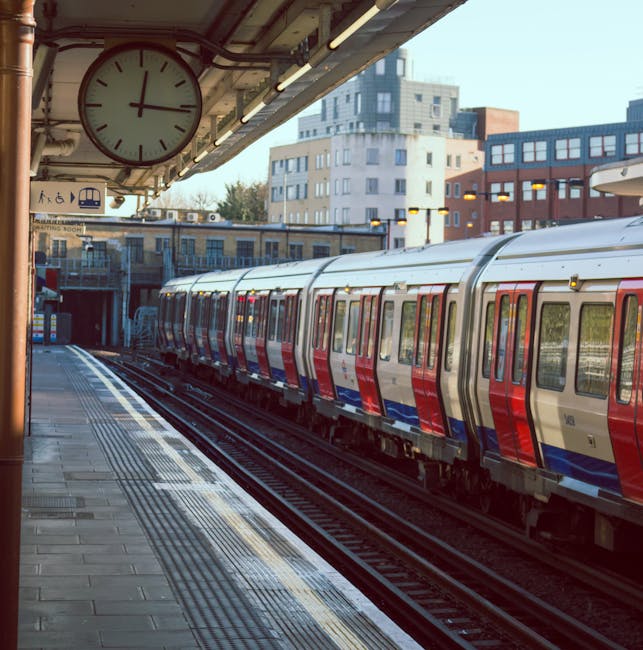
Hornsey Station fast rubbish clearance for commuters

If you are rushing through Hornsey Station with a bag of broken bits, a box of old office clutter, or even the remains of a flat clear-out, the last thing you want is waste hanging around your day. Hornsey Station fast rubbish clearance for commuters is about solving that problem quickly, neatly, and without turning a busy journey into a bigger chore than it needs to be. Truth be told, that little pile of rubbish can feel strangely heavy when you are on a tight schedule.
This guide explains how fast rubbish clearance works for commuters, when it makes sense, what to avoid, and how to choose the most practical option. We will also cover disposal methods, compliance basics, and a few real-world tips that make the whole thing less stressful. No fluff. Just useful, local-friendly advice.
- Why Hornsey Station fast rubbish clearance for commuters matters
- How Hornsey Station fast rubbish clearance for commuters works
- Key benefits and practical advantages
- Who this is for and when it makes sense
- Step-by-step guidance
- Expert tips for better results
- Common mistakes to avoid
- Tools, resources and recommendations
- Law, compliance, standards, or best practice
- Options, methods, or comparison table
- Case study or real-world example
- Practical checklist
- Conclusion
- Frequently asked questions
Why Hornsey Station fast rubbish clearance for commuters Matters
Stations are all about movement. People are heading to work, changing trains, picking up children, or getting home after a long day. Waste left in the wrong place slows things down, looks rough, and can quickly become a nuisance for everyone using the area. Hornsey Station fast rubbish clearance for commuters matters because it keeps the journey smoother and helps prevent small waste jobs from spilling into a bigger disruption.
In practical terms, commuters often deal with rubbish in awkward moments: an office move that overran, a weekend DIY project that produced more packaging than expected, a broken suitcase, or a few bulky items that do not fit in a regular bin. When time is limited, waiting days for a general clearance slot can be frustrating. That is where fast response rubbish removal, same-day collection, or wait-and-load style clearance can make a real difference.
There is also the reputational side of it. If you are managing a rental property, a small business, a station-side office, or a shared household close to Hornsey, leaving waste to pile up looks careless. A quick, tidy clearance sends the opposite message: things are under control. And that counts, especially in a place where people are constantly on the move.
A commuter-friendly clearance service should feel straightforward. You should be able to book it easily, understand what can be taken, and know what happens next. If that sounds obvious, well, it is. But plenty of waste jobs go wrong because people assume the collection will somehow sort itself out.
For broader waste projects beyond a small commuter clean-up, it can help to look at rubbish removal or the more flexible wait and load skip hire approach, especially when you need speed without leaving a container behind.
How Hornsey Station fast rubbish clearance for commuters Works
The basic idea is simple: you gather the waste, choose a suitable collection method, and arrange a prompt pickup so the clutter disappears before it disrupts your schedule. The best service for Hornsey Station fast rubbish clearance for commuters is usually the one that matches your access, timing, and load size rather than just the one with the flashiest headline.
Here is how it typically works in the real world:
- You identify the waste type. Is it household junk, office clutter, mixed rubbish, old furniture, or construction debris from a quick refurb?
- You check access. Can a van stop safely nearby? Is there a narrow road, limited parking, or a short carry from a station-adjacent property?
- You choose the fastest practical removal method. That could be a full skip, a smaller domestic load, a man and van collection, or a grab-style service depending on volume and access.
- You confirm collection timing. For commuters, the best jobs are often those arranged around the morning rush, the lunch break window, or after work.
- You separate restricted items. Things like fridges, mattresses, confidential paperwork, or hazardous materials often need special handling.
- The waste is collected and taken for sorting or disposal. A responsible provider will send recyclable materials to the right stream where possible.
If the load is small and time is tight, a man and van collection can be a neat solution. If access is awkward but the waste is bulky, grab hire services can sometimes be more practical than placing a skip. And if the job has a bit of everything in it, ask about same day skip hire for those situations where speed is the priority.
One small but important detail: if the waste is being left on a public road or verge, permits may apply. That is not something to guess at. Check first, or you could end up paying for avoidable delays.
Key Benefits and Practical Advantages
Fast rubbish clearance near a station is not just about being quick. It is about reducing friction in the day. And commuters notice friction more than most because they are already dealing with schedules, connections, weather, and, let's face it, the occasional delay announcement that nobody needed.
Here are the main benefits:
- Less disruption to your routine. You can arrange clearance around the commute instead of turning it into a separate mission.
- Cleaner access and safer walkways. Waste left near entrances, paths, or shared spaces can become a trip hazard or block movement.
- Better use of limited time. When you only have a narrow window, a fast collection prevents waste from lingering for days.
- More suitable for mixed loads. Station-side clear-outs often involve a bit of everything: bags, cardboard, broken items, and old household goods.
- Flexible for different property types. Flats, shared houses, small offices, and retail units all benefit from quick turnaround.
- Potentially better recycling outcomes. If waste is handled properly from the start, more of it can be separated and recycled.
There is also peace of mind. A lot of people underestimate how much mental energy clutter takes. You see it by the front door or in the hallway and it just sits there, quietly annoying you. Once it is gone, the space feels lighter. Simple as that.
For larger domestic jobs, it may be worth comparing fast collection with domestic skip hire. For bigger commercial or trade-based clearances, the right choice could be commercial skip hire or even a more specialist route depending on the site.
Who This Is For and When It Makes Sense
This kind of service is ideal for people who need waste gone quickly without making a major project out of it. In our experience, the most common users are not "waste-heavy" businesses. They are regular people with an urgent problem and a very small amount of patience left.
It makes sense for:
- Commuters clearing a flat, hallway, or storage space before or after work
- Landlords dealing with leftover rubbish between tenancies
- Tenants moving out and needing a rapid tidy-up
- Local office teams getting rid of packaging, broken furniture, or outdated equipment
- Households after a quick declutter or mini-renovation
- Tradespeople working on small jobs near Hornsey Station and trying to keep the site neat
It also makes sense when access is awkward. A full-sized skip is not always the best fit near a station or on a street with limited stopping space. In those cases, a fast clearance service can be easier to manage than waiting for a skip permit, arranging overnight placement, or leaving a container on-site for several days. If the project is more contained, house clearance and garage and loft clearance are worth considering too.
And if the job involves a workplace rather than a home, have a look at office clearance. It is often the cleaner fit for desks, storage units, paperwork runs, and general business clutter.
Step-by-Step Guidance
Here is a practical way to handle Hornsey Station fast rubbish clearance for commuters without getting tangled in the details.
- Sort the waste into simple groups. Keep general rubbish, bulky items, recyclables, and anything potentially restricted separate where possible.
- Take a quick look at access. Note whether the collection vehicle can stop nearby, whether there is a lift, stairs, or a long walk, and whether there is a narrow entrance.
- Estimate the volume honestly. Too many people under-estimate. A few bags can become a half-load once the broken chair and boxed-up clutter appear.
- Check whether any item needs special handling. Appliances, mattresses, fridges, confidential paperwork, and certain mixed materials may need specific collection options.
- Choose the quickest suitable method. Use a collection method that matches your load and location, not just what sounds cheapest.
- Book a realistic time slot. For commuters, it helps to plan around the train, not against it. Avoid narrow windows if you know you might run late.
- Prepare the waste in advance. The more organised it is, the faster the load-out.
- Confirm what happens after collection. Recycling, disposal, and item restrictions should all be clear before the van turns up.
Small jobs are often easiest when they are over-prepared. That sounds backwards, but it works. A few minutes of sorting can save half an hour of awkward lifting and back-and-forth questions on the day.
If you are unsure what can go into a load, the guide on what can go in a skip is a sensible place to start, even if you are not actually hiring a skip. The rules and common restrictions are broadly useful either way.
Expert Tips for Better Results
A fast service still works best when the customer does a little preparation. That is not about making your life harder. It is about avoiding the classic last-minute scramble where everyone is standing around a pile of old stuff while one person says, "I thought the van would just sort it out."
Try these tips:
- Place the waste as close to the exit as possible. Even a short carry from the front room to the van matters when time is tight.
- Flatten cardboard and break down lightweight items. It reduces wasted space and can speed the collection.
- Keep restricted items separate. Do not tuck a special item into the middle of a general load.
- Photograph the waste in advance. This can help with quoting and avoids misunderstandings about load size.
- Ask about recycling. A good provider should be able to explain the usual handling route for mixed waste.
- Be honest about access. If the vehicle cannot park easily, say so. Better to be upfront than to lose time later.
Another useful detail: if your clear-out includes items like a fridge, mattress, or sofa, check the right disposal route before collection day. For those kinds of items, fridge and appliance removal and mattress and sofa disposal can be more appropriate than a general mixed-rubbish booking.
And if your waste is mostly packaging, archived papers, or secure business material, you may also need confidential shredding. Not glamorous, but very useful.
Common Mistakes to Avoid
The biggest mistakes are usually not dramatic. They are small assumptions that create delay.
- Leaving the booking too late. Fast collection is fast, but it still needs a slot.
- Misjudging the volume. A job that looks "tiny" on a phone photo can be more substantial in person.
- Mixing restricted items into a general load. That can slow collection and complicate disposal.
- Ignoring access issues. Narrow roads, loading restrictions, and stair-only access all matter.
- Forgetting permit needs. If anything is going on the public highway, double-check the rules first.
- Assuming every provider handles the same waste streams. They do not.
Another common one is trying to squeeze a job into the cheapest-looking option without checking the detail. To be fair, everyone likes a saving. But a cheap choice that cannot collect the right item, or cannot work around the station traffic, is not actually cheap.
When speed and access are both tricky, skip hire permits and skip sizes and prices are worth reviewing early, before the clock starts ticking.
Tools, Resources and Recommendations
You do not need a complicated toolkit to make fast rubbish clearance work. But a few practical resources make a real difference.
- Heavy-duty bags or tubs for sorting lighter waste
- Basic gloves for safe handling of rough edges and dusty items
- Phone photos to document the load before collection
- Measuring tape if you are unsure whether a bulky item will fit into a vehicle or container
- A short access note covering parking, stairwells, codes, and any time restrictions
If your waste is more renovation-led than commuter-led, the following services may be more relevant:
- builders waste removal
- builders skip hire
- construction waste clearance
- construction waste disposal
- demolition waste removal
For bigger clean-ups where waste is spread around a yard, plot, or access route, site clearance and muck away services may be a better fit. If you need an enclosed option for privacy or security, enclosed and lockable skip hire can be worth a look.
And when you want a quick, practical starting point, the main skip hire page is useful for understanding the broad options before you decide.
Law, Compliance, Standards, or Best Practice
Waste handling in the UK is not something to treat casually. Even for small loads, there are sensible expectations around safe handling, correct segregation, and lawful disposal. You do not need to become a compliance expert, but you do need to avoid casual mistakes.
In plain English, that means:
- Do not put hazardous or restricted waste into a general load unless the provider specifically accepts it.
- Use reputable carriers. Responsible waste collection should include lawful transfer and treatment routes.
- Check permit requirements. If a skip or container is being placed on the road, local rules may apply.
- Keep information secure. Paper records and business documents should be handled properly.
- Ask about insurance and safety. This matters more than people think, especially where lifting or tight access is involved.
Best practice is not just about ticking boxes. It is about making the job cleaner, safer, and less likely to go wrong on the day. A decent waste provider should be able to explain how items are handled, whether recycling is built into the process, and what restrictions apply. That's the sort of conversation you want to have before collection, not after.
If you want reassurance around working standards and practical care, the pages on health and safety policy, insurance and safety, and recycling and sustainability are helpful for understanding the broader approach.
Options, Methods, or Comparison Table
Different loads need different solutions. The quickest route is not always the best one if the waste type, access, or timing is off. Here is a simple comparison to help you choose.
| Method | Best for | Speed | Access needs | Key point |
|---|---|---|---|---|
| Man and van | Small to medium mixed loads | Very fast | Usually flexible | Good for commuter-friendly, one-off clear-outs |
| Wait and load | Quick loading with minimal dwell time | Fast | Needs workable loading access | Useful where parking is limited |
| Skip hire | Ongoing or larger loads | Fast to arrange, slower to fill | May need space or permit | Better for longer jobs or repeat waste |
| Grab hire | Bulky, loose, or heavier waste | Fast once booked | Needs vehicle access near the load | Helpful when lifting waste into a skip is awkward |
If you are trying to keep things moving around the station area, a quick answer often comes from comparing wait and load skip hire with man and van. Those two options tend to suit the "I need this gone today, preferably before the next train" kind of job.
Case Study or Real-World Example
Picture a commuter who has just finished a small room clear-out in a Hornsey flat. They have old shelving, a broken desk chair, flat-packed cardboard, and a couple of bulky black bags. The hallway is narrow, the lift is unreliable, and the person needs to catch the train by 8:10. Not exactly ideal.
They start by sorting the waste into three groups: cardboard, bulky items, and general rubbish. Then they take a few photos and confirm that the vehicle can stop close enough for a short load-out. Because the job is time-sensitive and the access is decent but tight, they choose a fast collection rather than a skip that would sit outside for days. The waste is gone, the hallway is clear, and the commuter leaves without that nagging feeling that they have forgotten something unpleasant at home.
That is the real value here. Not drama. Just an easy exit from a messy situation.
For a similar job with a bit more variety in the load, house clearance or garage and loft clearance can be a better match if the job is bigger than a single day's tidy-up.
Practical Checklist
Use this simple checklist before booking Hornsey Station fast rubbish clearance for commuters:
- Have you identified the main waste type?
- Have you checked whether any items are restricted or need special handling?
- Do you know how much waste there is, roughly?
- Can the collection vehicle get close enough to load efficiently?
- Will you need a permit, or is the waste staying entirely off the highway?
- Have you separated confidential papers or sensitive items?
- Have you flattened cardboard or broken down larger items where safe?
- Have you chosen a time slot that fits your commute realistically?
- Do you know how the waste will be handled after collection?
- Have you checked whether a skip, grab lorry, or van collection is the best fit?
If you are unsure about any of those points, do not wing it. A quick check now is far better than a slow headache later.
Conclusion
Hornsey Station fast rubbish clearance for commuters is really about making busy lives a little less messy. Whether you are clearing out a flat, managing office clutter, or shifting a pile of awkward household waste before work, the best solution is the one that is quick, practical, and appropriate for the load. Choose the right method, prep the items properly, and keep access in mind. That alone avoids most of the stress.
Fast waste clearance does not need to feel complicated. With a sensible plan and the right service, you can get on with your day, catch your train, and come home to a space that feels sorted rather than half-finished. Small win, but an important one.
Get a free quote today and see how much you can save.
If you want to speak to a local team about a quick collection, you can also review the company background on about us or send an enquiry through contact us. For booking and payment confidence, the pages on book online and payment and security are worth a look too.
Frequently Asked Questions
What counts as fast rubbish clearance for commuters near Hornsey Station?
It usually means a collection arranged around a tight schedule, often for small to medium loads that need removing quickly without disrupting travel or work plans.
Is same-day rubbish clearance always available?
Not always. It depends on the time of enquiry, access, the type of waste, and whether the team has a suitable vehicle free. It is best to ask early.
What is better for a small station-side clear-out: a skip or a van collection?
For smaller, urgent jobs, a van collection or wait and load option is often easier. A skip makes more sense if you need longer loading time or have a larger volume.
Do I need a permit for rubbish clearance near the station?
If nothing is being placed on the public highway, a permit may not be needed. If a skip or vehicle setup uses road space, permit rules can become relevant.
Can mixed household waste be taken in one load?
Usually yes, as long as the load does not include prohibited or specially handled items. If in doubt, separate items in advance and ask before booking.
What should I do with old appliances or a fridge?
Appliances often need specific handling. A dedicated appliance collection is usually safer than guessing and mixing them into a general load.
Is confidential paperwork handled differently?
Yes, it should be. Sensitive documents are best kept separate and dealt with through proper confidential shredding rather than ordinary mixed rubbish disposal.
How can I make the collection faster on the day?
Group the waste neatly, clear a route to the exit, flatten what you can, and make sure access details are accurate. That saves more time than people expect.
What if I only have one or two bulky items?
That is often ideal for a fast collection. It may be more cost-effective and easier than arranging a larger service meant for heavier loads.
Can waste from a small refurbishment be collected quickly?
Yes, provided it is not too heavy, the access is workable, and the load does not include restricted construction materials. Builder-style jobs may need a different service type.
How do I know which service is best for my waste?
Think about three things: the waste type, the amount, and how easy it is to reach. That usually points you toward the right choice much faster than comparing prices alone.
What happens to the rubbish after collection?
Responsible providers sort loads where possible and send suitable material for recycling or proper disposal. The exact route depends on the waste type and condition.